
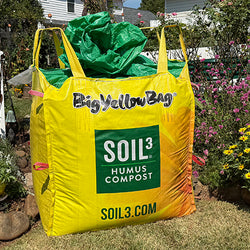
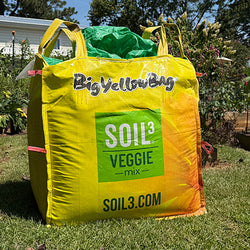
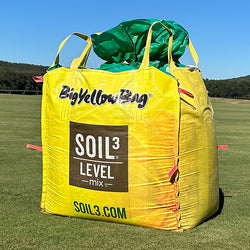



How Compost Helps Plants Grow

Have you ever wondered how and why Soil³ compost and Veggie Mix help plants grow and thrive?
Compost Improves Soil and Helps Plants Grow
Behind the scenes, compost works its magic for plants by balancing soil moisture, releasing nutrients, and introducing friendly soil microorganisms.
What’s more, compost helps plants grow by improving soil structure, neutralizing soil pH, and suppressing soilborne plant diseases.
It seemingly does everything except actually water the plants!
Compost Balances Soil Moisture
Compost balances water availability. In sandy soils, compost helps that highly porous soil hold onto water for longer; conversely, in wet clay soils, it helps relieve compaction so it drains better.
In areas with clay soils, compost alleviates conditions adverse to plant health, such as compaction, lack of oxygen, and pooling or slow drainage. Incorporating compost into clay will help prevent root rot over cold, wet winters.
In my sandy soil, compost increases the soil's ability to absorb rainfall when it does arrive, reduces runoff, and stores moisture so plant roots can access it for days or even weeks longer than depleted sandy soils. Organic matter in sandy soils acts like a sponge, holding onto moisture and preventing it from evaporating too quickly. This means less frequent watering and a more consistent water supply for the plants. During the hot, dry summers, Soil³ compost easily absorbs water, ultimately reducing drought stress in my garden. Sandy, coastal plain gardens rich in organic matter are simply better equipped to weather periods of drought by absorbing water more readily and helping plants recover more quickly when cooler temperatures and seasonal rains return.
I am living through the worst dry spell since 2008, and it is clear I have been taking rain for granted. Much of central North Carolina is in a severe drought after months of well-below-average rainfall and persistent, extreme, record-breaking heat. Lawns have gone dormant, newly planted trees and shrubs are struggling, and even established landscapes are showing signs of stress. While no soil amendment can replace the need for rainfall, building healthy sandy soil with compost is one of the most effective long-term strategies for improving drought resilience.
Compost Offers Plants Natural Nutrients
Organic matter in the form of compost naturally adds nutrients to soil as it continues to decay. Choose “humus compost” products like Soil³ because humus is thoroughly broken down into small particles that will quickly release nutrients to your plants.
Organic matter serves as a reservoir for nutrients, releasing them slowly over time. This helps create a sustained and balanced supply for plants to absorb.
Compost provides essential nutrients such as nitrogen (N), phosphorus (P), and potassium (K). These nutrients are vital for plant growth, with nitrogen powering photosynthesis for leafy growth, phosphorus supporting root and bloom development, and potassium ensuring overall health and resilience. It's the nutritional trio that keeps your garden thriving! Generally, compost is balanced with all the nutrients needed in a growing season.
Cilantro grown in native clay soil versus cilantro grown in compost-enriched soil. Photo by Soil³ Agronomist, Nestor Vela.

Microorganisms in Compost Benefit Plants
Beyond nutrients and water, compost fosters a thriving soil ecosystem. The microorganisms it introduces create a dynamic environment, suppressing harmful pathogens and promoting a balance that supports plant health. It's a microbial symphony that turns your soil into a bustling community, teeming with life. Compost introduces beneficial microorganisms, such as bacteria and fungi, to the soil.
These microorganisms contribute to the breakdown of organic matter, making nutrients more accessible to plants. This natural process is known as mineralization. This creates a reservoir of slow-release nutrients that plants can feed from daily.
Organisms such as mycorrhizae also form symbiotic relationships with plant roots, enhancing water and nutrient uptake.
Microorganisms, such as these branching actinobacterial filaments, provide many benefits to plants, including nutrient release.
Photo by Soil³ Agronomist, Nestor Vela.
Other Plant Benefits from Compost
Compost acts as a powerhouse for plant growth, providing a range of other benefits that contribute to overall plant health and vitality. Here are yet more ways compost helps plants grow:
- Improved Soil Structure: The organic matter in compost improves soil structure by creating more pore space in compacted soils and enhancing aggregation in all soils. This results in a crumbly and well-aerated soil, allowing for better root penetration, water and air movement, and nutrient absorption by plants.
-
Soil pH Regulation: Compost has a neutral pH near 7, so it acts as a natural buffer, helping to neutralize soil pH. The pH scale ranges from 0 (most acidic) to 14 (most alkaline), with 7 being neutral. For your reference, here in the Southeast US, the average pH of our native clay soil (sandy soils too) is on the acidic side, around 5.5. Most vegetable plants prefer slightly acidic to neutral soil with a pH range of 6.0 to 7.0, which means we must invest in compost to really bring the soil to life. Compost helps maintain a stable pH level, creating an optimal environment for nutrient availability and plant growth.

- Disease Suppression: Compost contains beneficial microorganisms that can outcompete and suppress the growth of harmful pathogens. This helps create a healthier environment for plants, reducing the risk of soil-borne diseases. But remember, not all compost is created equal, which is why I chose Soil³ for my garden.
- Environmental Sustainability: Composting organic matter contributes to environmental sustainability by recycling kitchen, garden, and farm waste. It reduces the need for chemical fertilizers, which can have environmental implications, and promotes a more natural, eco-friendly gardening approach.

In essence, compost acts as a holistic solution for plant growth. It addresses multiple aspects of soil and plant health, nutrient availability, and microbial activity while creating a soil environment where plants can flourish. It's a sustainable and environmentally friendly practice that supports both garden productivity and long-term health. Plus, you can stay in shape while unloading the bags!
What makes Soil³ compost and mixes stand out is their commitment to sustainability. Their compost is made from locally sourced, recycled waste materials, including grass biomass (cover crops, wheat stubble, grass clippings) and dairy cow manure. When these materials break down, they contribute valuable organic matter to the soil in the form of humus-rich compost. This dark, stable form of organic matter provides a long-lasting source of nutrients for plants.
Compost is the secret to gardening success. From addressing nutrient deficiencies to improving soil structure, water retention, and fostering a thriving microbial community, compost is a powerhouse of organic goodness. So, whether you're nurturing a small suburban garden like me or dreaming of community gardens, embracing compost is the key to unlocking the full potential of your soil, even when dry conditions provide challenges like this year.
Take a deeper dive into soil science by reading my other two articles:
Happy Gardening,
Brie the Plant Lady


