



Can I Reuse Potting Soil in Containers? How to Refresh Old Potting Mix

A misconception in container gardening is the idea that potting soil cannot be reused and must be discarded and replaced after one use.
It's true that peat-based potting mixes break down and become compacted after just one growing season, plus all their added fertilizer is depleted. In contrast, high-quality compost-based potting soil stays nutrient-rich and productive for many years when properly managed.
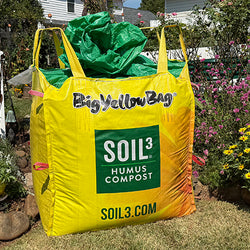
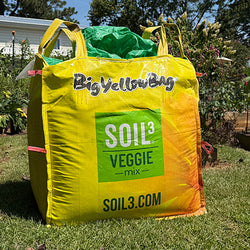
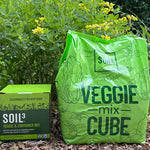
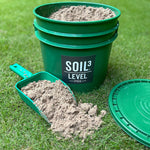
In my gardens, I reuse Soil³ compost and Veggie Mix as potting soil in containers season after season with excellent results, saving money while continuing to grow healthy, vigorous plants.
Now that I piqued your curiosity, I will explain why reusing compost-based potting soil, like Soil³ products, works so well in containers, then I'll explain the hidden benefits of reusing potting soil, and wrap up with three circumstances when you should not reuse your potting medium.
Reusing Potting Soil in Containers: What Gardeners Need to Know
When I first started to think critically about reusing potting soil, it occurred to me: I don’t dig out my garden soil and replace it every year, so why should I dump my containers after one season? Where did this idea come from?
The key to long-term success with reused container media begins with understanding that soil is a living ecosystem. Healthy compost is not just "organic matter," but a material full of beneficial microbes, fungi, macro- and micro-nutrients, and a pH value that all continue to mature over time.
Rather than treating container soil as disposable, gardeners should think of it as a long-term investment that becomes more biologically active and productive as it matures.
One of the reasons Soil³ products perform so well in containers over multiple years is the quality and stability of the compost itself. Soil³ humus compost is carefully produced using controlled ingredients and a high-heat composting process that creates a biologically active, stable, humus material that slowly releases nutrients into water.
Unlike lightweight peat-heavy potting mixes that rapidly break down, resulting in collapse and shrinkage, compost-rich blends maintain better structure and water-holding capacity long term.

How to Refresh and Reuse Old Potting Soil
At the end of each growing season, I simply remove plants and their roots from the top of my containers while leaving most of the soil intact. Fine roots remaining in the container soil will continue to decompose naturally and help feed microbial life. Those old roots also improve soil structure by creating channels for air and water movement throughout the container.
After clearing the container of plants and root balls, I refresh the soil by adding a layer of fresh Soil³ compost or Veggie Mix to the top. This replenishes organic matter and nutrients.
In some cases, I also add slow-release organic fertilizer depending on the crops I plan to grow. Heavy-feeding vegetables such as tomatoes, peppers, eggplants, and squash benefit from additional fertility throughout the growing season, even in rich compost-based media. Fertilizer is unnecessary for most other crops, flowers, and other plants that you put in a container filled with Soil³ compost or Veggie Mix.
Over time, reused compost-based container soil often becomes better balanced than freshly purchased peat-based potting mix. Mature soil ecosystems develop improved moisture retention and enhanced microbial diversity. Moisture retention is especially valuable during Southeastern summers when containers experience intense heat and rapid drying cycles. Compost-rich media acts like a sponge, helping regulate moisture availability while supporting healthier root systems.
Hidden Benefits of Reusing Container Potting Soil
Not only does reusing container media reduce landfill waste, but it also lowers gardening costs.
Sustainable gardening practices do not always require complicated systems; often, they begin with simply valuing and maintaining the soil we already have.
Other Tricks When Reusing Potting Soil
Crop rotation also plays an important role in maintaining healthy reused container media. Rotating plant families between seasons helps reduce pest and disease buildup while diversifying root interactions within the soil.
For example, I often follow summer vegetables with cool-season greens, root crops, grains, or flowers during the winter months. Continuous planting keeps living roots active in the containers for much of the year, supporting beneficial soil biology in the container even between major growing seasons.
Mulching container surfaces will also extend the life of reused compost in containers. Mulches such as shredded leaves, pine straw, bark, or chopped cover crops help regulate soil temperature, reduce evaporation, reduce disease pressure, and slowly contribute additional organic matter as they decompose.
In hot Southern climates, this protective layer can dramatically improve moisture consistency during the peak of summer. I typically use triple-shred hardwood mulch as my container mulch, the same that I use in my garden beds.
When to Replace Potting Soil
Of course, there are times when partial or complete replacement of potting soil is beneficial.
Poor Drainage: If containers become severely compacted and waterlogged, incorporating fresh compost or Veggie Mix and loosening the existing media can help restore water balance, or a complete potting soil refresh may be necessary. In this instance, the used potting soil can be topdressed on flower or shrub beds.
Salt Build Up: If containers accumulate excessive salts from synthetic fertilizers (another good reason to go 100% organic), you might need a complete potting soil refresh. Depending on how much has built up, you can also distribute the used potting soil lightly across large areas of flower or shrub beds.
Diseases: In rare cases involving serious disease problems that accumulate in reused soil (especially when growing tomatoes), complete replacement may be warranted with disposal of the potting medium. Again, crop rotation and mulching, even in containers, help mitigate disease issues.
However, in healthy organically managed systems, container soil can remain productive for many years with routine maintenance.
Reuse Compost-Based Potting Soil
Perhaps most importantly, reusing Soil³ products in containers reinforces one of the most valuable lessons in gardening: healthy soil improves with time.
Rather than starting over every spring, gardeners can build increasingly fertile and resilient container ecosystems year after year.
With thoughtful management, compost-rich container media becomes more than simply “potting soil.” It matures into living soil capable of supporting abundant harvests, vibrant flowers, and healthier plants season after season.
I wrote a related article years ago about Planting Directly in Soil³. I recommend reading it if you love raised bed or container gardening.
Happy gardening,
Brie the Plant Lady


