




Summer Cover Crops for Southern Gardeners

Summer in the South can be brutal in the garden. Long stretches of heat, intense humidity, pounding thunderstorms, drought cycles, and nutrient-leaching rains often leave bare soil tired, compacted, and overrun with weeds. Yet this challenging season also offers one of the best opportunities to improve your soil's health naturally by cultivating summer crops.
Summer cover crops are plants grown not so much for harvest, but rather to protect and enrich the soil. In the Southeast, where gardens can remain productive nearly year-round, summer cover crops play an essential role in building organic matter, suppressing weeds, feeding pollinators, reducing erosion, and improving soil biology during the hottest months of the year. They are one of the easiest and most effective tools gardeners can use to create healthier, more resilient landscapes.
I am a huge enthusiast of cover cropping, so much so that I wrote a book about it! Check out Gardening with Grains for a deep dive into these crops and many more.
Unlike traditional cool-season cover crops such as crimson clover, oats, rye, and wheat, summer cover crops thrive in high temperatures and long days. Many grow rapidly, producing tremendous amounts of biomass in just a few months.
The roots of all cover crops loosen compacted soil, help retain moisture, and create pathways for air and water movement deep into the ground. When chopped and left in place, they become a natural mulch and nutrient source for future plantings. Cover crops are best direct-sown for dense ground-plane coverage.
Many gardeners are surprised to learn that cover crops can also be beautiful additions to ornamental landscapes. Summer-flowering cover crops provide nectar, pollen, movement, and texture while simultaneously improving the soil. Integrating these plants into not only traditional vegetable patches, but also into pollinator gardens or transitional beds allows gardeners to maintain visual interest while giving the soil a period of recovery.
Flowering Summer Cover Crops
Chop and drop is a low-maintenance gardening practice where one cuts back overgrown plants using pruner/clippers, a mower, or other tools and leaves the cuttings directly on the ground to act as a mulch. This practice works well with the following flowering, summer cover crops
Buckwheat Cover Crop
One of the best summer cover crops in the Southeast is a longtime favorite of mine, buckwheat, Fagopyrum esculentum.
Despite its name, buckwheat is not a grain. It is a fast-growing flowering plant that attracts a wide array of pollinators. It germinates quickly in warm soil and can begin blooming in as little as four weeks. The masses of white flowers are incredibly attractive to beneficial insects, including bees and butterflies, making buckwheat an excellent choice for vegetable gardens and ornamental borders alike.
Buckwheat is especially valuable because it smothers weeds so effectively. Its dense canopy shades the soil, preventing many unwanted seeds from germinating. It is also useful for improving poor soils because its roots help mobilize phosphorus and other nutrients.
However, buckwheat matures quickly and can reseed aggressively if allowed to go to seed. If you want to stop that cycle, simply cut the plants down before the seed ripens. Leave the roots in the ground to decompose, adding organic matter naturally.
There are also pink flowering types of buckwheat that you can include in your summer cover cropping palette.
Pink Buckwheat
Sesame Cover Crop
Sesame, Sesamum indicum, is another heat-loving summer crop that deserves far more attention in Southeastern gardens.
Native to tropical regions, sesame absolutely thrives during long periods of hot weather and drought, often continuing to bloom and grow when many other plants struggle.
Its upright growth habit and tubular pale pink to white flowers make it surprisingly ornamental, while its extensive root system helps improve soil tilth and water infiltration.
Sesame - One of my favorite summer cover crops.

Sesame is especially valuable in pollinator gardens because the flowers attract bees and other beneficial insects throughout the summer months.

Once mature, the plants produce seed-filled capsules that can be harvested for culinary use or left to feed birds. For gardeners seeking resilient plants that tolerate poor soil and extreme heat while still contributing to soil improvement, sesame is an outstanding choice.
Flowering Annual Cover Crops
Flowering annuals also serve as highly effective summer cover crops while bringing tremendous beauty and biodiversity into the garden. Cosmos, zinnias, and sunflowers are especially useful because they attract pollinators, beneficial insects, and birds while helping shade and protect exposed soil.
Zinnias, Zinnia elegans, provide continuous nectar sources during the hottest months and are among the best flowers for supporting butterflies and cut flower production simultaneously.

Cosmos, Cosmos bipinnatus, produces delicate ferny foliage and masses of blooms that support bees, butterflies, and predatory insects such as hoverflies and parasitic wasps.
Sunflowers, Helianthus annuus, produce deep roots that help break up compacted soils while their towering stems create habitat and visual structure in the landscape.
Together, these flowering plants blur the line between ornamental gardening and ecological soil management, proving that cover crops can be just as beautiful as they are functional.
Nitrogen Fixing Legume Summer Cover Crops
Legumes have a super power: adding nitrogen to the soil. They do this through through a process where bacteria colonizes the roots and "fixes nitrogen" from the air, releasing it into the soil. Using nitrogen fixers is a natural way to add nitrogen to your soil.
Sunn Hemp Cover Crop
Another outstanding option is sunn hemp, Crotalaria juncea. This tropical legume has gained popularity across the South because of its incredible biomass production and nitrogen-fixing capabilities. Sunn hemp can grow over six feet tall in a single season and produces thick stems and lush foliage that rapidly improve soil structure.
As a legume, sunn hemp works with beneficial bacteria to capture atmospheric nitrogen and store it in the soil. This natural fertility source is especially useful for vegetable gardens preparing for heavy-feeding fall crops such as broccoli, cabbage, cauliflower, and leafy greens. Sunn hemp is also highly attractive to pollinators when flowering and can help suppress harmful nematodes in sandy soils, which is why I am excited to grow this for the first time this year. My seeds have just germinated, and I will be sure to report back, and share updates on the BrieThePlantLady YouTube channel!
Sunn Hemp
Cowpea Cover Crop
Cowpeas, Vigna unguiculata, sometimes called southern peas or black-eyed peas, are another classic Southeastern summer cover crop. These heat-loving legumes are exceptionally well adapted to hot, humid conditions and poor, sandy soils. They spread quickly, forming a living mulch that shades the soil, reduces weed pressure, and fixes nitrogen. They form a symbiotic relationship with beneficial soil bacteria called Rhizobium. These bacteria colonize nodules on the plant roots and convert atmospheric nitrogen into forms that plants can use.
Cowpeas are particularly useful in foodscapes, my signature approach to garden design, because they can serve multiple purposes. Young pods can be harvested for eating while the remaining plants continue enriching the soil. Their drought tolerance makes them a reliable option during unpredictable summer weather, especially in sandy Southern soils that dry out rapidly. Unfortunately, deer love them, so I have struggled to grow cowpeas successfully long term, but hope springs eternal, right?
Peanut Cover Crop
My favorite summer cover crop is a staple from the grocery store, though most home gardeners have never harvested their own! Peanuts, Arachis hypogaea, are an exceptional warm-season cover crop for Southern gardens and one of the most overlooked soil-building plants for home landscapes.
As a legume, peanuts fix nitrogen while also producing a dense canopy that shades the soil and suppresses weeds during the hottest months of the year. Their deep root systems help loosen sandy or compacted soils while improving overall soil structure and biological activity.
Peanuts forming on the roots.
In addition to their practical benefits, peanut plants have charming yellow flowers and attractive foliage that blend beautifully into ornamental foodscapes.
In much of the Southeast, peanuts thrive in intense heat and humidity with relatively little maintenance, making them an excellent option for gardeners seeking a productive dual-purpose crop that both feeds the soil and produces an edible harvest.
Here are the yellow flowers on Peanuts.
Root-A-Tillers that Feed the Birds
Root-A-Tiller is a pun because the roots of this category of summer cover crop are so strong and robust that they practically do the work of a rototiller, in breaking up hard soil.
While many gardeners think of sorghum only as a grain crop, there are several distinct types grown for different purposes, including grain production, syrup making, livestock forage, biomass generation, and ornamental display. All types contribute valuable organic matter and impressive root systems that improve soil structure and reduce erosion.
Traditional Sorghum Cover Crop
I have been growing traditional sorghum for more than a decade, and it remains the best performer in the high heat and humidity of the south. Sorghum, Sorghum bicolor, is one of the most versatile and resilient crops for hot climate gardens and agricultural systems.
Native to Africa and widely cultivated worldwide, sorghum thrives in intense heat, humidity, drought, and poor soils, making it exceptionally well-suited for the Southeastern and Southwestern United States.
Grain Sorghum Cover Crop
Grain sorghums are grown primarily for their seed heads, which resemble dense clusters of tiny beads held high above the foliage. The seeds may be white, bronze, red, black, or even multicolored, depending on the cultivar. Grain sorghum has become increasingly popular among home gardeners because it is naturally gluten-free and highly productive during hot summers when corn struggles. Many traditional heirloom varieties produce striking ornamental seed heads that also provide food for birds and wildlife. In foodscapes, grain sorghum adds dramatic vertical texture and movement while functioning as both an edible and ecological crop.
Grain Sorghum
Sweet Sorghum Cover Crop
Sweet sorghum varieties are grown for their tall, juicy stalks that contain high sugar content like sugarcane. Historically, sweet sorghum was an important crop throughout the South where it was pressed into sorghum syrup, a traditional sweetener with a rich, earthy flavor.
Varieties such as ‘Dale’, Sugar Drip’, and ‘Mennonite’ can reach ten feet tall or more in a single growing season, creating remarkable biomass and shade.
Sweet sorghums are especially useful in regenerative gardens because their extensive root systems help loosen compacted soils while their towering canopies suppress weeds and protect the soil surface from harsh summer sun.
Sweet Sorghum Interplanted with Sunflowers
Forage Sorghum and Sorghum-Sudangrass Cover Crops
Forage sorghums and sorghum-Sudangrass hybrids are among the most valuable cover crops for soil improvement. These vigorous hybrids produce enormous amounts of leafy growth and dense fibrous roots that penetrate deeply into the soil profile. In the Southeast, they are commonly used to rehabilitate exhausted soils, increase organic matter, and naturally reduce nematode populations. Some varieties can grow over twelve feet tall in ideal conditions and may be repeatedly cut throughout the summer to generate mulch. Their rapid growth also makes them excellent for smothering weeds and stabilizing bare ground during heavy summer rains.
Forage Sorghum
Sorghum-Sudangrass also releases natural compounds that help suppress weeds and certain soil pathogens, a process known as allelopathy. Because these grasses grow so aggressively, they are ideal for reclaiming neglected garden spaces or preparing future planting areas.
Sorghum-Sudangrass Hybrid
Ornamental Sorghum Cover Crop
Ornamental sorghums have also become increasingly popular in decorative landscapes and cut flower production. Cultivars with burgundy foliage, striped leaves, or dramatic dark seed heads add striking architectural interest to garden beds. Some ornamental types are selected specifically for colorful grain clusters used in floral arrangements and seasonal displays. In pollinator gardens and foodscapes, ornamental sorghums pair beautifully with sunflowers, zinnias, cosmos, sesame, and other summer annuals while simultaneously contributing to biodiversity and soil improvement.
Ornamental Sorghum

One of sorghum's greatest strengths is its adaptability. Whether grown for grain, syrup, biomass, forage, or beauty, sorghum performs reliably through extreme Southern heat with relatively little irrigation or fertility input. In an era of increasingly unpredictable weather, this ancient crop offers modern gardeners an incredibly resilient option for building healthier soils while adding beauty, productivity, and ecological function to the summer landscape.
Summer Cover Cropping Basics
One of the greatest misconceptions about gardening is the idea that soil should remain bare between planting seasons. Open mulch space is an epidemic, and once you start noticing it you can’t stop seeing it, EVERYWHERE! Green meatballs (shrubs trimmed to an inch of their life) and bare, mulched ground are the highest-maintenance approaches to cultivating plants.
In nature, exposed soil is rare. Living roots constantly feed microbial life underground through sugars and organic compounds. These microbes, in turn, support nutrient cycling, moisture retention, and plant health. Keeping soil covered with living plants mimics natural systems and creates healthier growing conditions long term. Not to mention less work for you!
In the South, summer is often the ideal time to rest overworked vegetable beds. Rather than fighting relentless weeds and declining yields during the hottest months, gardeners can sow cover crops and let nature rebuild fertility.
Most summer cover crops establish quickly once temperatures are reliably warm.
By late summer or early fall, these crops can be cut down and left in place as mulch or lightly incorporated into the top layer of soil before replanting cool-season vegetables and flowers.
The process of planting summer cover crops is remarkably simple:
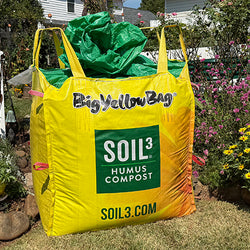
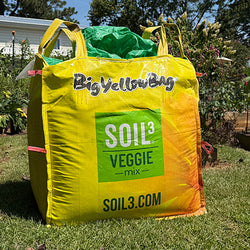
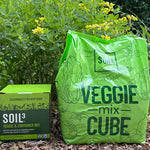
- After removing spring crops, spread a fresh layer of Soil³ compost over the planting area;
- Sow seeds directly into the soil;
- Keep the surface consistently moist during germination, especially during hot weather.
Topdress with Soil³ compost or Veggie Mix then direct seed on top.

As gardeners across the South face increasing weather extremes, building resilient soil has never been more important.
These summer cover crops can be purchased locally and online. Some of my favorite sources are:
Summer cover crops offer an affordable, sustainable, and science-backed way to improve garden performance naturally. Whether growing vegetables, flowers, native plants, or a combination of everything, these hardworking plants will transform your garden!
Happy cover cropping!
Brie the Plant Lady


