



How to Make Your Own Compost at Home

Hey there, fellow green thumbs! Brie, your friendly neighborhood plant enthusiast, is back with another blog, and this time we're diving deep into the world of composting.
Specifically, I will explain what compost is, how you can make it at home, and why I still need to buy Soil³ compost for my gardening needs.
Get ready to turn your kitchen scraps and garden waste into food for your plants. Let's get started!
What Exactly is Compost?
Compost is a remarkable material created through the natural decomposition of organic matter, usually waste materials from the garden, landscape, and kitchen. It's a nutrient-rich, biologically-rich substance that serves as a valuable soil conditioner and fertilizer. Essentially, composting is a process that transforms kitchen and garden waste into black gold for your garden.
What is Compost Made From?
Compost is made from a diverse mixture of decomposed organic matter. The primary components fall into two categories: browns and greens.
1) Compost Ingredients: Brown Material
The brown materials are carbon-rich and include items like dry leaves, straw, shredded newspaper, and woody elements, like sticks. Browns provide structure to the compost pile, improve aeration, and serve as a source of energy for the decomposing microorganisms.
2) Compost Ingredients: Green Material
The greens are nitrogen-rich materials such as kitchen scraps (fruit and vegetable peels, coffee grounds), fresh yard waste, grass clippings, and green plant material. Greens contribute nitrogen, an essential element for the growth of microorganisms responsible for breaking down organic matter.
3) Microorganisms are Critical Composters
The magic of composting happens through the activity of microorganisms, including bacteria, fungi, and other tiny decomposers like protozoa. These microbes feed on organic matter, breaking it down into simpler compounds. As the microorganisms work, they generate heat, which is why a compost pile can become warm or even hot during active decomposition.
Don’t forget how critical the "bugs" are in breaking down organic matter! In my compost pile earthworms and pill bugs are the main consumers of organic waste. You may see larvae or grubs in yours, such as black soldier fly larvae.
All these microorganisms and "bugs" help speed up the decomposition process and are truly unsung heroes.

As the organic matter decomposes, it transforms into a nutrient-rich substance known as humus. Humus is the dark, crumbly material that gives compost its characteristic appearance. It's rich in essential plant nutrients like nitrogen (N), phosphorus (P), and potassium (K), as well as micronutrients and helpful compounds like humic and fulvic acids.
The composting process involves creating the right conditions for microbial activity. It requires a balance between browns and greens, adequate moisture, and proper aeration. This is why regular turning of the compost pile helps mix the materials, introduce oxygen, and accelerate decomposition.
Using Compost at Home
Compost can be incorporated into garden soil, used as a lawn and garden topdressing, and you can plant right in compost in raised beds and containers.
It's a versatile soil amendment suitable for a variety of plants, from flowers and vegetables to trees and shrubs.
In essence, compost is nature's recycling system, turning organic waste into a valuable resource for sustainable gardening. It's a testament to the interconnectedness of natural processes, where what was once considered waste becomes a nourishing elixir for the soil.

Making Compost at Home
Like many gardeners I have a compost pile where I toss daily kitchen scraps and garden waste and over time beautiful black soil can be dug out and used in the garden. However, my passive approach to home composting isn’t ideal, as the mixture never gets hot enough to kill off the millions of weed seeds that somehow find their way in.
We laugh that anytime I use my homemade compost we will end up with a thousand volunteer tomato plants, and many other undesirable weeds. Realistically, this is how many home gardeners compost and there is nothing wrong with it!
I am a believer in being realistic, and without a front-end loader I am simply not going to spend the time turning my pile. I had to do that early in my career and I swore I would never torture myself like that! This is precisely why I rely on Soil³ compost for my major gardening needs year-round!
Passive vs. Active Composting Methods
As I mentioned above, passive composting is essentially letting nature take its course. You pile organic materials, such as kitchen scraps, yard waste, and other compostable items in a designated area and let them decompose over time with minimal intervention. This method relies on natural processes like microbial activity, temperature fluctuations, and moisture levels to break down the materials into nutrient-rich compost.
Active composting, on the other hand, involves more hands-on management. It typically entails regularly turning or aerating the compost pile to speed up the decomposition process. By actively mixing the materials, you introduce oxygen, which encourages aerobic decomposition and helps prevent unpleasant odors. Some active composting methods also involve monitoring and adjusting factors like moisture levels and carbon-to-nitrogen ratios to optimize decomposition.
Each approach has its advantages and considerations. Passive composting is simpler and requires less effort, making it ideal for those who prefer a low-maintenance option or have limited time to dedicate to composting. Active composting, while more labor-intensive, can produce compost more quickly and efficiently, making it a preferred choice for gardeners who want a steady supply of compost for their plants.
Ultimately, the choice between passive and active composting depends on your preferences, available time, and goals for your composting efforts. Both methods can yield high-quality compost that enriches your soil and promotes healthy plant growth.
No matter how you decide to compost at home there are a few tricks to make the experience successful.
-
CHOOSE THE RIGHT BIN: Selecting the right compost bin is crucial. It should allow for proper aeration and moisture control. You can opt for a simple homemade bin using pallets or invest in a commercially available one with aeration vents. Consider the size of your garden and the amount of waste you generate when choosing the bin. We use a simple “Lincoln Log” set up using 4’ long landscape timbers connected with rebar. This set up has worked great for my passive style for the past 14 years and I recently built a new one.
- BUILD LAYERS: Composting is all about creating layers of organic materials. Begin with a layer of browns at the bottom for aeration and drainage. Add a layer of greens, ensuring they are finely chopped to speed up the decomposition process. Alternate between browns and greens, aiming for a roughly 3:1 ratio of browns to greens.
- MOISTURE MATTERS: Maintaining the right moisture level is vital. Your compost pile should feel like a wrung-out sponge, damp but not soggy. If it's too dry, add water; if it's too wet, mix in more browns. Turning the compost regularly helps distribute moisture evenly.
- AERATION: Microorganisms that drive composting need oxygen. Turning the compost every week or two introduces fresh oxygen, speeding up decomposition. This is why those smaller bins with a crank work well as turning the material is easy. However, in a set up like mine, this step is labor intensive, which is why I don’t do it! Essentially you need two piles near each other, and with a pitchfork you move the top of one pile to the bottom of the other.
- HEAT MAKES ALL THE DIFFERENCE: Heat generation in a compost pile is a crucial aspect of the composting process. It's primarily driven by microbial activity as bacteria, fungi, and other microorganisms break down organic materials. You can cover your pile to retain moisture and heat, which will enable the material to break down faster. Elevated temperatures help kill pathogens and many weed seeds. It also reduces odor caused from anaerobic decomposition. Understanding and managing heat generation in a compost pile is essential for successful composting. A temperature that reaches 160°F indicates that the composting process is active.
-
BE PATIENT: Composting is not an instant process. Depending on factors like size, composition, and environmental conditions, it can take many months to get usable compost. Be patient and let nature work its magic.
What to Add to Your Compost Pile
Include a variety of kitchen and garden waste. Kitchen scraps like fruit and vegetable peels, coffee grounds, and eggshells are excellent. From the garden, include grass clippings, pruned branches, and dead plants.
What Not to Add to Your Compost Pile
Certain items should never find their way into your compost bin. Avoid adding:
- Diseased Plants: they can introduce harmful pathogens that spread to other plants
- Pet Waste: it could also contain harmful pathogens
- Fats: Avoid dairy, meat, and oily items, as they can attract pests and slow down the composting process.
- Charcoal Ash: due to high pH and possible chemicals in the charcoal (wood ash may be okay in small amounts, but the pH is also high)
- Weed Seeds: From experience, do not add weeds that are bursting with seeds to your compost pile, as that will result in a new generation of problem plants
- Persistent Pesticides: Anything treated with persistent insecticides or herbicides that could carryover to your garden
It is also valid to recognize that those produce stickers DO NOT decompose! I know those from recent experience. Be sure to remove those from the skins of your fruits and veggies before you add them to your compost pile.
If your compost pile starts smelling bad, it may be too wet or lack proper aeration. Mix in more browns and turn the pile. If it's not heating up, you might need more greens for nitrogen. Adjust the ratio and monitor the temperature.
Harvesting Your Homemade Compost
When your compost has turned into a rich, dark material resembling soil, it's time to harvest. The compost should have an earthy smell, and you shouldn't be able to recognize the original materials. Use a screen or simply pick out any remaining large bits. Your compost is now ready to nourish your garden.
I recommend using it as a topdressing for any plants that require rich soil and nutrients. Veggies like tomatoes, peppers, and eggplant really flourish from the roots up when compost is their source of food!

Why I Still Need to Get Soil³ Products
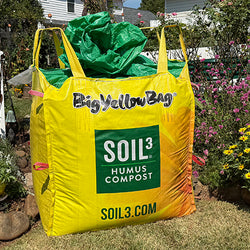
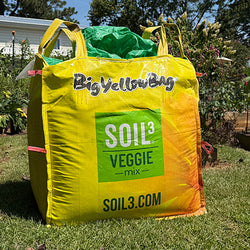
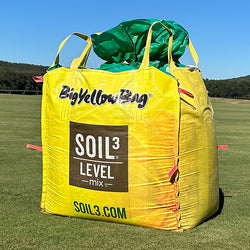
While home composting is a rewarding and eco-friendly practice that turns kitchen and garden waste into a valuable resource, it does not produce nearly enough material for my gardening needs. That's why I keep ordering BigYellowBag after BigYellowBag of Soil³ compost products to feed my soil and plants.

As you embark on your composting journey, remember the basics: the right mix of browns and greens, moisture control, aeration, heat, and a touch of patience. Your compost pile is not just waste; it's a dynamic ecosystem working to create a nutrient-rich elixir for your garden.
Happy composting!
Brie the Plant Lady


