



How to Start a Pollinator Garden: From Soil Prep to 6 Must-Have Plants

As gardeners, one of the most rewarding aspects of our work is creating environments that support the health and vitality of pollinators like bees, butterflies, and hummingbirds.
Here in the southern US, we have a rich diversity of pollinators that make our efforts in the garden even more worthwhile! By planting a diverse array of flowers that bloom throughout the growing season, we can provide these essential creatures with the food and habitat they need to thrive.
Today, we’ll go over how to get started in building a pollinator-friendly garden.
Start Pollinator Gardens with Compost
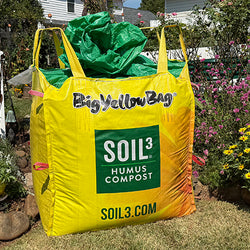
Prepare the soil by spreading a thick layer of Soil³ compost over your planting area. No need to till it in; topdressing works from the top down to improve soil structure, boost moisture retention, and supply essential nutrients. It’s an easier way to create an ideal environment for your plants to grow strong and healthy. When you dig a hole to plant, that will mix some Soil³ compost into the existing soil to promote root growth and help establish robust plants.
Using Soil³ compost is an excellent way to enrich your garden's soil and support plants that are essential for pollinators. Soil³ is a nutrient-dense, organic compost that offers a solid foundation for healthy, vibrant plants, making it perfect for creating a pollinator-friendly environment.
Keep in mind that most pollinator-friendly plants thrive in full sun, so build your pollinator garden in a sunny spot.
Common Pollinator Insects in Gardens
But who are the most common pollinators visiting gardens in the south?
Bees are the most efficient pollinators. They collect nectar and pollen from flowers, facilitating the pollination of a wide range of plants, including fruits, vegetables, and wildflowers.
With approximately 20,000 known bee species worldwide, there is incredible diversity, ranging from the well-known honeybee to solitary bees like mason bees and leafcutter bees. Bees can be found in almost every habitat on Earth! In North America alone, there are about 4,000 species of bees, highlighting the vast diversity within this essential group of pollinators.
Butterflies are also prominent pollinators. Their long proboscises allow them to reach deep into flowers, helping to pollinate plants that bees might miss. But it isn’t just about the adult stage when you are gardening for butterflies. It is paramount to also create an environment for the caterpillars to thrive and eat your plants – yes, they will eat your plants, but that’s the point. So, include a variety of plants to support different butterfly species and always avoid pesticides to protect caterpillars.
Dense foliage and ground covers are important for shelter. Also, ensure there is a water source, like a shallow dish with wet sand. Facilitate natural processes, such as leaf munching, as leaf litter supports caterpillar development. Native grasses also support certain species, making your garden a haven for both caterpillars and the butterflies they’ll become.
The southern US is home to a wide variety of butterfly species, with several being particularly common and easily recognizable. Here are some common types and the plants their larval stage needs to survive (by eating them).
- Monarch (Danaus plexippus): Known for its incredible migration, the Monarch butterfly is famous for its striking orange and black wings and spotted body. It’s often seen fluttering around milkweed plants, the host plant for its caterpillars. Unfortunately, I did not have many in my garden last year, causing me extra concern about their endangered population. Learn how to identify a Monarch butterfly.
- Gulf Fritillary (Agraulis vanillae): This vibrant orange butterfly with silver spots on its underside is common in gardens and open areas. The caterpillars feed on passionflower vines and will eat them to the ground. Learn how to identify a Gulf Fritillary butterfly.
- Zebra Swallowtail (Eurytides marcellus): Recognizable by its black and white striped wings with long tails, this butterfly is often seen near pawpaw trees, which serve as the host plant for its larvae. Learn how to identify a Zebra Swallowtail butterfly.
- Black Swallowtail (Papilio polyxenes): A large black butterly with yellow and blue markings that feeds on plants in the carrot family. Learn how to identify a Black Swallowtail butterfly.
- Eastern Tiger Swallowtail (Papilio glaucus): This large, yellow butterfly with black tiger-like stripes is one of the most iconic butterflies in the Southeast. Males are yellow with black stripes, while females can be either yellow or black (a color variation known as dimorphism). Learn how to identify an Eastern Tiger Swallowtail butterfly.
- Spicebush Swallowtail (Papilio troilus): This butterfly has black wings with blue-green iridescence and white spots. It is commonly found near spicebush and sassafras plants, which are the host plants for its caterpillars. Learn how to identify a Spicebush Swallowtail butterfly.
Moths are often overlooked but are crucial nocturnal pollinators. Species like the Hummingbird Clearwing Moth are active at dusk and dawn, pollinating flowers that bloom in low light conditions. The southeastern United States is home to a remarkably diverse array of moth species. It's estimated that there are over 5,000 species of moths in the southeastern region. This includes everything from tiny micro-moths to the larger and more familiar species like the Luna Moth and the Polyphemus Moth. The rich diversity is due in part to the variety of habitats and the generally warm, humid climate, which supports a wide range of plant and animal life.
A Luna Moth on a branch. Photo by Hillary Thompson.
Hummingbirds, especially the Ruby-throated Hummingbird, are important pollinators for tubular flowers. Their fast-moving wings and long beaks allow them to access nectar while transferring pollen from flower to flower. Hummingbirds are especially drawn to red, but they will visit flowers of many colors if they are rich in nectar. To attract hummingbirds, plant a variety of plants like Bee Balm, Cardinal Flower, Columbine, Salvias, and Coral Bells and make sure you provide plants that will bloom from spring through fall. Additionally, avoiding pesticides will help protect these pollinators and the insects they may feed on.
Perfect Pollinator Plants to Grow
Now that we have covered the most common pollinators, let’s dive into the best plant selections for keeping these insects happy and healthy!
Remember, the key to success is always rooted in diversity. The more species you grow, the more pollinators you will attract and support! Below are my top 5 favorite native perennials for pollinators, though there are many other worthy candidates!
Coneflower: Echinacea is a resilient perennial that produces large, daisy-like flowers with a prominent central cone. Available in a variety of colors, including purple, pink, orange, and white, Echinacea is a favorite of bees and butterflies. These plants bloom from mid-summer to fall and are known for their drought tolerance and low maintenance needs. Echinacea thrives in full sun and well-drained soil, making it an excellent choice for pollinator gardens, prairie plantings, and wildflower meadows.
A word of warning: choose varieties with visible cones, not the “pom pom” types, as those double-flowered forms do not provide nectar for pollinators. There are 4 species native to the southeastern region, including:
- Echinacea purpurea (Purple Coneflower)
- Echinacea laevigata (Smooth Coneflower)
- Echinacea pallida (Pale Purple Coneflower)
- Echinacea simulata (Glade Coneflower)
Purple Coneflower - Echinacea purpurea
Garden Phlox: Phlox paniculata is a classic native perennial known for its tall, fragrant clusters of flowers that bloom from mid-summer to early fall. Available in shades of pink, purple, red, and white, these flowers are highly attractive to butterflies and hummingbirds. Garden Phlox prefers full sun to partial shade and moist, well-drained soil. Its sweet fragrance and long-lasting blooms make it a valuable addition to the garden, offering both visual appeal and vital resources for pollinators during the latter part of the growing season.
Over the years, I've grown many cultivars of Phlox, but one variety truly stands out: ‘Bright Eyes’ is my favorite for its abundant blooms that attract countless swallowtails. From July to September, my large stands of ‘Bright Eyes’ are visited by dozens of butterflies throughout the day. While it does develop powdery mildew in the autumn, it remains my all-time favorite variety.
Mountain Mint: Pycnanthemum is a powerhouse for pollinators. It produces clusters of small white to pale lavender flowers that are highly attractive to a wide range of pollinators, including bees, butterflies, and beneficial wasps. This plant is particularly valued for its long blooming period, typically from mid-summer to early fall. Mountain Mint also has a pleasant minty fragrance, adding sensory appeal to your garden. It's a hardy, low-maintenance perennial that thrives in full sun to partial shade and well-drained soil, making it an excellent choice for both formal and wildflower gardens. It is in the mint family, so be prepared for it to spread. Site in a location where you won’t need to micromanage its growth, and it will cover the ground, eliminating weeds, reducing your need to mulch, all while feeding the pollinators!
There are 5 great species of Mountain Mint native to the southeastern US. I grow all of these and highly recommend including them in your gardens too!
- Pycnanthemum incanum (Hoary Mountain Mint)
- Pycnanthemum tenuifolium (Narrowleaf Mountain Mint)
- Pycnanthemum muticum (Short-toothed or Clustered Mountain Mint)
- Pycnanthemum pilosum (Hairy Mountain Mint)
- Pycnanthemum flexuosum (Appalachian Mountain Mint)
Clustered Mountain Mint - Pycnanthemum muticum
Sage: Salvia is a versatile genus that includes many species beloved by pollinators. The tubular flowers of Salvia are a favorite of hummingbirds and bees, who are drawn to the rich nectar. Salvia blooms in a range of colors, including blue, purple, red, and white, and can flower from late spring through fall. These drought-tolerant perennials prefer full sun and well-drained soil, making them easy to grow in a variety of garden settings. Salvia’s long bloom time and ability to attract a diverse group of pollinators make it a must-have in any pollinator garden. There are many species of Salvia from all over the world that are well worth growing. But a few great native species include:
- Salvia azurea (Blue Sage)
- Salvia coccinea (Scarlet Sage)
- Salvia lyrata (Lyre-leaf Sage)
Salvias, like the red and blue flowers pictured here, pack flower power.
Black-Eyed Susan: Rudbeckia is a cheerful perennial with bright yellow petals surrounding a dark brown or black center. Blooming from mid-summer to fall, Rudbeckia is a magnet for bees and butterflies. These hardy plants thrive in full sun and well-drained soil, and their bold, daisy-like flowers add a splash of color to the garden. This is not only a reliable pollinator plant but also a great choice for naturalizing in meadows or borders, providing long-lasting blooms and nectar for pollinators. There are 5 wonderful native perennial species that I highly recommend growing!
- Rudbeckia fulgida (Orange Coneflower)
- Rudbeckia hirta (Black-eyed Susan)
- Rudbeckia laciniata (Cutleaf Coneflower)
- Rudbeckia subtomentosa (Sweet Coneflower)
-
Rudbeckia triloba (Brown-eyed Susan)
A Monarch butterfly on a Rudbeckia flower.
Bonus Pollinator Plant: I would be remiss if I wrote an article about pollinators and left the not-exactly-native Zinnia off the list. Without hesitation, Zinnias are one of the most floriferous summer annuals that pollinators of all types enjoy!
Zinnias are a favorite among gardeners and pollinators alike. These vibrant, daisy-like flowers come in a variety of colors, including red, orange, pink, yellow, and white, and bloom from early summer until the first frost. Zinnias are particularly beloved by butterflies, who are drawn to their bright colors and plentiful nectar. They are easy to grow from seed and thrive in full sun and well-drained soil. Zinnias’ long blooming period and striking appearance make them a staple in any pollinator garden, providing a continuous source of nectar throughout the growing season.
The genus Zinnia includes about 20 species from the southwestern United States, Mexico, and into South America, which explains why they thrive in the heat of the southern US. The most widely cultivated species, Zinnia elegans, originates from Mexico, where it grows in a variety of habitats, including arid regions and grasslands.
Why are zinnias so popular with pollinators?
- Bright, Vibrant Colors: Zinnias come in a wide range of bright colors, including red, orange, pink, yellow, and purple. These vibrant hues are highly attractive to pollinators like butterflies, bees, and hummingbirds, which are drawn to bright flowers when searching for nectar.
- Rich Nectar Supply: They produce abundant nectar, making them an excellent food source for pollinators. The high nectar content ensures pollinators receive a rewarding meal, encouraging repeat visits.
- Accessible Flower Structure: The zinnia flower heads are open and easily accessible, allowing pollinators to land and feed with ease. The flat, broad surface of the flowers provides a perfect landing pad for butterflies and bees.
- Long Bloom Period: Zinnias have a long blooming season, often flowering from early summer until the first frost. This extended bloom period provides a continuous source of nectar for pollinators throughout the growing season.
- Variety of Flower Types: Zinnias offer a range of flower forms, including single, semi-double, and double blooms. This variety means that different pollinator species can find a zinnia that suits their feeding preferences.
A Eastern Tiger Swallowtail butterfly on a Zinnia flower.
By starting with adding Soil³ compost to your soil, your pollinator garden will thrive and provide a welcoming habitat for essential pollinators. Over time, you’ll enjoy a garden full of vibrant flowers and the gentle buzz of busy pollinators, all while knowing you’ve contributed to the health of your local ecosystem.
Gardening for pollinators is a rewarding way to contribute to biodiversity and support essential species like bees, butterflies, and hummingbirds. By planting native species, providing a continuous bloom of flowers, and avoiding pesticides, you create a thriving habitat that sustains pollinators throughout their life cycles.
Remember that Incorporating features like water sources and shelter further enhances your garden’s appeal to these vital creatures. A pollinator-friendly garden not only brings vibrant life to your space but also plays a crucial role in maintaining healthy ecosystems. I hope you will be inspired to include these plants in your gardens!
Brie the Plant Lady
All photos by Brie Arthur, unless noted.


