



Soil³ Story: Lessons from a Flower Farmer

Greg Clark of Clarkshire Gardens grows fresh, seasonal cut flowers for local florists and flower lovers, and his approach is a great reminder of how thoughtful planning and healthy soil make all the difference.
We first met Greg a few years ago when his backyard garden was featured on an American Hydrangea Society garden tour. His garden is stunning. He grows a wide variety of flowers around his home property, starting plants from seeds and bulbs and creating floral arrangements in his garage. In addition to his flower farming interests, Greg has a full-time job, so his wife and family members help support the growing business.
From this home-based flower operation, Greg established clients in the local wholesale and retail markets, selling fresh bouquets to florists and neighbors through subscriptions and the family’s front-yard flower stand.
When I spoke with Greg that day, he shared that he was leasing additional land down the street to grow sunflowers and had just purchased an additional acre to expand his flower farm.
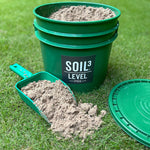
Greg had recently discovered Soil³ composts and was immediately impressed by the increased production and noticeable improvements in floral quality. When he purchased the new property, it was heavily wooded. Although permits allowed for clearing trees for farming, the underlying Georgia clay soil was compacted and root bound.
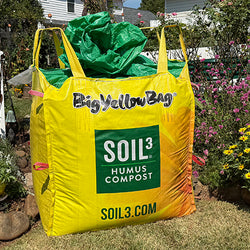
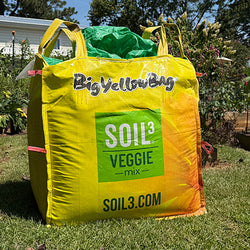
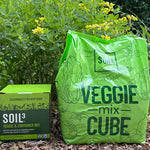
Greg grew up in a farming family, so he understood what needed to be done—but it took many months to properly prepare the land for planting. He turned to Soil³ compost and Veggie Mix to amend the soil, and the results continue to impress both him and his customers as his floral business grows.
Today, the new property is in full production. Greg continues to add new rows and regularly amends with Soil³. As he explains, when you grow flowers for market, you quickly learn that timing is everything.
“You can’t sell a flower you don’t have—and you won’t sell every flower that blooms.”
That’s where succession planting becomes essential to flower farming success.

Succession Planting for Cut Flowers
As a flower farmer, the goal isn’t just to grow beautiful blooms—it’s to have them ready when people need them. Succession planting means sowing consistently throughout the growing season, so flowers are always coming into bloom.
When a florist calls asking for a specific flower, you want to be able to say yes. Flowers must be harvested before they reach full bloom to meet retail and wholesale standards. By planting on a schedule instead of all at once, you extend your harvest window and increase your chances of hitting the optimal harvest moment.
Of course, not every flower makes it to market. If a bloom misses its ideal harvest window, it may not meet florist standards—and that’s okay. Those flowers often find their way to neighbors, friends, or people who may not be able to afford a bouquet. That generosity is part of what makes flower farming more than a business for Clarkshire Gardens. As Greg says, “It’s about sharing joy.”

Sunflowers are Clarkshire's Specialty
Greg grows a wide variety of seasonal flowers, including tulips, peonies, zinnias, marigolds, and dahlias, but sunflowers are a foundational crop for Clarkshire Gardens.
To keep up with demand, he plants sunflowers from early spring through early fall and harvests right up until frost. That means planting up to 500 sunflowers every single week—ensuring a steady supply for customers throughout the season.
When a customer calls and says, “I need sunflowers,” the answer needs to be simple: “Yes, I have them.”

Flowers Reveal What the Soil Needs
Early on, sunflower success didn’t come easily. Plants were short, and blooms were small—clear signs that something below the surface wasn’t working.
Greg says this is an important lesson for any gardener: “The plant is a reflection of what’s happening in the soil.”
When soil health improves, everything above ground improves too—stronger stems, larger blooms, and healthier plants overall. After amending beds with Soil³, Greg saw a dramatic difference in both plant quality and consistency.

Beautiful Cut Flowers Start in the Soil
Healthy soil supports steady growth, better nutrient uptake, and more reliable results—especially when you’re planting week after week. Instead of constantly correcting problems mid-season, building great soil upfront allows plants to do what they’re meant to do.
For Greg, that reliability matters. When you depend on your crops to meet demand, you need soil you can trust to support strong roots, consistent growth, and beautiful blooms.
Whether you’re growing flowers for market or simply want better blooms in your own garden, the takeaway is the same—start with the soil.
When your soil is doing its job, your plants can do theirs—and you’ll be rewarded with healthier plants, better flowers, and greater confidence in your gardening.


