


Inorganic vs. Organic Soil: What's the Difference?

Hi, gardening enthusiasts, let's discuss the confusing topic of organic vs. inorganic soil. These terms are often used, but the definitions aren’t clear, so my aim is to break this down in the simplest way so we can all be on the same page!
Inorganic Soil Defined
"Inorganic soil" or “mineral soil” refers to soils made from weathered rock. Inorganic soil lacks organic matter and primarily consists of sand, silt, and clay, along with various rocks and minerals.
While inorganic soil can still support plant growth, it lacks the rich fertility and biological diversity found in organic soil. Inorganic soils often require synthetic fertilizers to supply nutrients, as their nutrient reservoir is limited. They may also exhibit poor water retention and drainage, making them less forgiving in terms of plant care.

Organic Soil Defined
On the flip side, “organic soil” is a haven teeming with life because it’s made from organic matter. Organic soils are made from carbon materials, rather than the weathered rock of inorganic soils.
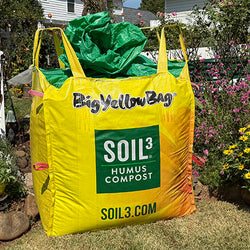
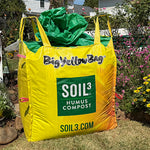
The decomposition of plant and animal waste (exactly what Soil³ compost is made from!) creates organic matter in soil. Compost is specifically organic matter created by human activity, from backyard bins to compost farm windrows.
Organic matter is highly beneficial for inorganic soil health because it improves soil structure and aeration, enhances nutrient content, balances pH, fosters beneficial soil microorganisms, and increases water retention in sand while improving drainage in clay. In a nutshell, organic soil offers conditions your plants need to thrive.
(Let's pause for a clarification: the term "organic" is used here in the scientific sense of carbon-based materials, rather than in the commercial sense of pesticide-free produce from the grocery store.)

Fix Inorganic Soils with Organic Matter
Fixing soil is a common need in new neighborhoods, where the native topsoil was scraped away, and hard-packed clay was brought in as part of the grading process.
The soil in these new housing developments is often only inorganic, with no organic matter. It’s also compacted and has a low pH. In short, not an ideal situation for gardening. Struggling or dead trees and brown patches of grass are common in new neighborhoods, and it is all because of soil quality. You are essentially being set up to fail, horticulturally.
Unfortunately, there are no requirements to save the original, richer soil that once covered the ground, nor regulations requiring organic soil to be added back before the landscape is installed, so you are left with a ground plane of foreign soil compacted by heavy equipment. Not the ideal scenario for a bountiful garden.
You could order loads of topsoil, but topsoil quality is variable and could also be low in organic matter (run a soil test on topsoil before purchasing, if you can). You could haul in individually-bagged potting soil, but the peat component offers nothing for plants, and it’s environmentally questionable.
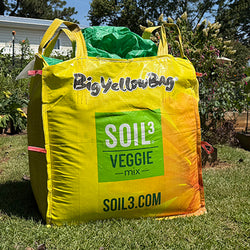
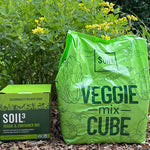
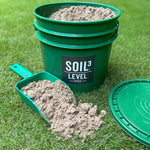
To keep my life simple, I just use Soil³ compost or Veggie Mix for everything I grow. From seed starting and container combos to topdressing my lawn and landscape beds, Soil³ organic compost is the easy solution for growing healthy plants.
I amend all new beds with compost to get them started with the organic matter. Once they are set up right, I don’t till in organic matter every season. Instead, I simply topdress when I replace underperforming plants or change out seasonal plants. Since my end goal is to continuously be adding organic matter, I also mulch beds with triple-shred hardwood mulch and practice cover cropping, especially with winter and summer grains.

For those gardening around a newly constructed home, or any scarred piece of land, I wrote a blog telling my parents' gardening story for your inspiration: How to Fix the Landscape Around Your Newly Developed Home.
As you embark on your gardening adventures, remember that the dark, crumbly substance known as Soil³ compost is not just a pile of decomposed organic matter; it's the key to healthy plants, darker green foliage, and more flowers and vegetables in your very own garden.
Happy gardening, and may your soil be forever enriched with the goodness of compost,
Brie the Plant Lady


